News
University of Goma and Repro Justice Congo: Students on the Front Lines to Eradicate Sexual and Gender-Based Violence
RJ
By Repro Justice Congo
12 Jul 2023•3 min read
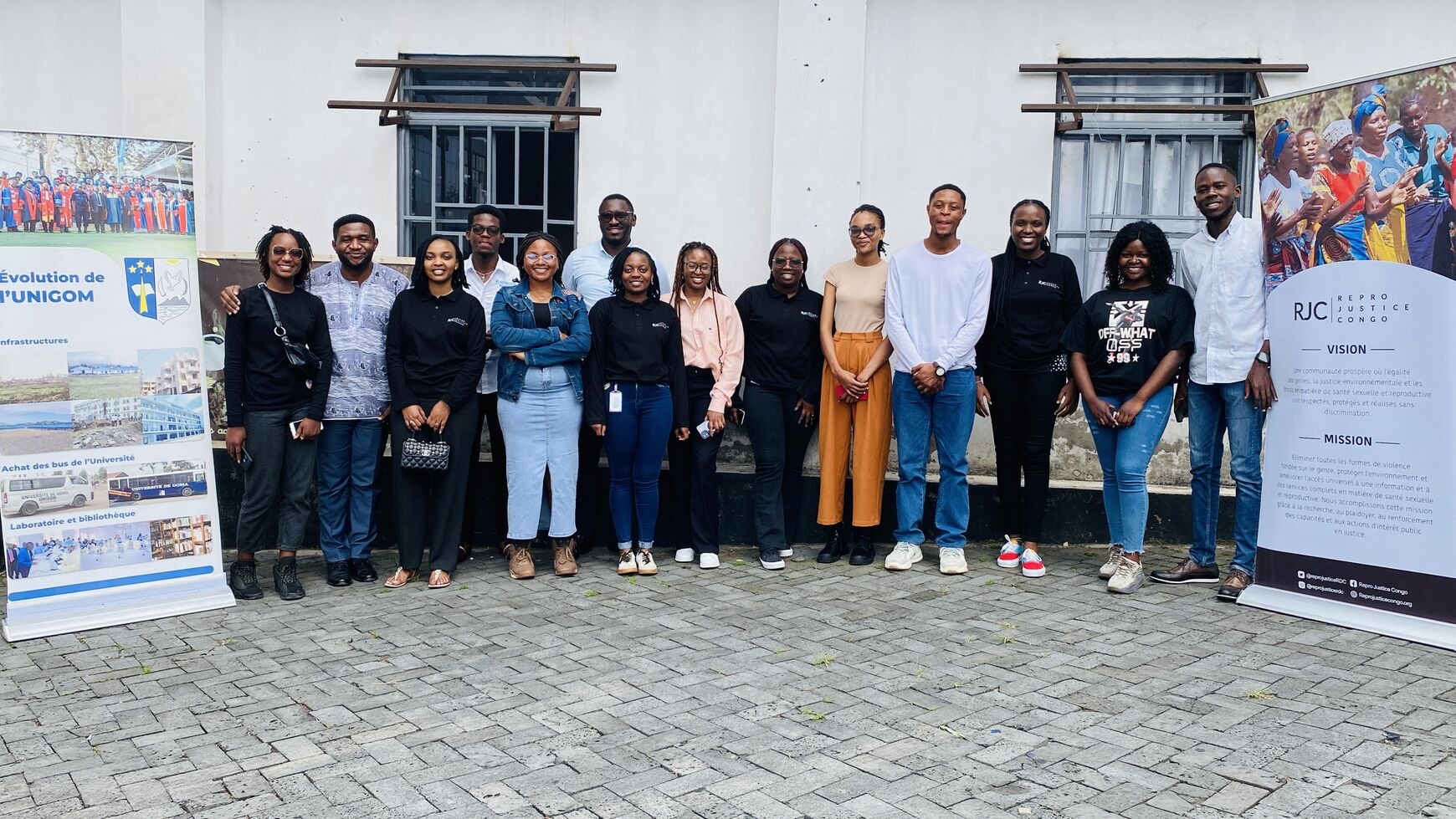
In a context where sexual and gender-based violence (SGBV) remains a significant barrier to gender equality and access to quality education, Repro Justice Congo, in partnership with the University of Goma (UNIGOM), facilitated in-depth discussions on the challenges, solutions, and concrete actions required to eliminate such violence within the university community. This initiative aligns with the 16 Days of Activism Against Gender-Based Violence, a globally recognized campaign for raising awareness and mobilizing action to address inequalities and abuse.
During these exchanges, UNIGOM students participated in an open and enriching conversation, joined by administrators and staff members. The discussions addressed the realities of SGBV on campus and explored practical solutions to address these issues. Topics included the challenges of SGBV, the effectiveness and implementation of reporting mechanisms, and opportunities for collaboration to create a safe, inclusive, and respectful academic environment for all.
The meeting resulted in concrete commitments to combat SGBV at UNIGOM. Key actions include the establishment of a confidential hotline to report cases of violence or abuse and the installation of reporting boxes across campuses to ensure easy and secure access to reporting mechanisms.
Student ambassadors trained by Repro Justice Congo play a pivotal role in this initiative. As points of contact within their faculties, they raise awareness among their peers and direct them to available resources. These ambassadors also shared powerful testimonies about the challenges faced by students experiencing violence, underscoring the urgency of collective action for lasting change.
"During my internship, my supervisor demanded sexual favors in exchange for allowing me to continue my internship. Unable to find any support from my institution, I was forced to quit my internship and leave without any form of protection," testified one student ambassador.
Another student shared, "A classmate was denied access to an exam room simply because she refused to give her personal phone number to a staff member. This kind of behavior is unacceptable and must end."
These compelling testimonies highlight the crucial role of reporting mechanisms and support resources in breaking the silence surrounding violence and ensuring that every student can thrive in a safe academic environment.
In parallel, UNIGOM has initiated the process of establishing a case management committee for SGBV. This committee will comprise trained members equipped to handle reports, provide support to survivors, and ensure sensitive and professional implementation of procedures.
The Chief of Staff at UNIGOM expressed his support for this initiative: "The establishment of these reporting mechanisms is essential to ensure a secure and respectful academic environment. I rely on our student ambassadors to further raise awareness among their peers and guide them to these resources."
The 16 Days of Activism go beyond being a mere awareness campaign; they serve as a catalyst for change. By creating reporting mechanisms, training ambassadors, and offering concrete resources, Repro Justice Congo and UNIGOM present a model of collaboration for fostering a safe and respectful university environment.
With the commitment of students, administrators, and civil society, it is possible to end gender-based violence and ensure that every student can study in a setting where their rights are protected. Repro Justice Congo and UNIGOM remain dedicated to advancing this fight so that future generations can benefit from an education free from violence.
Share