News
How Sex Workers in Goma Took Their Health Priorities to Decision-Makers
RJ
By Repro Justice Congo
3 Nov 2026•4 min read
In Goma, twenty sex workers sat down with the two national programmes that serve them, and turned months of hardship into specific demands.
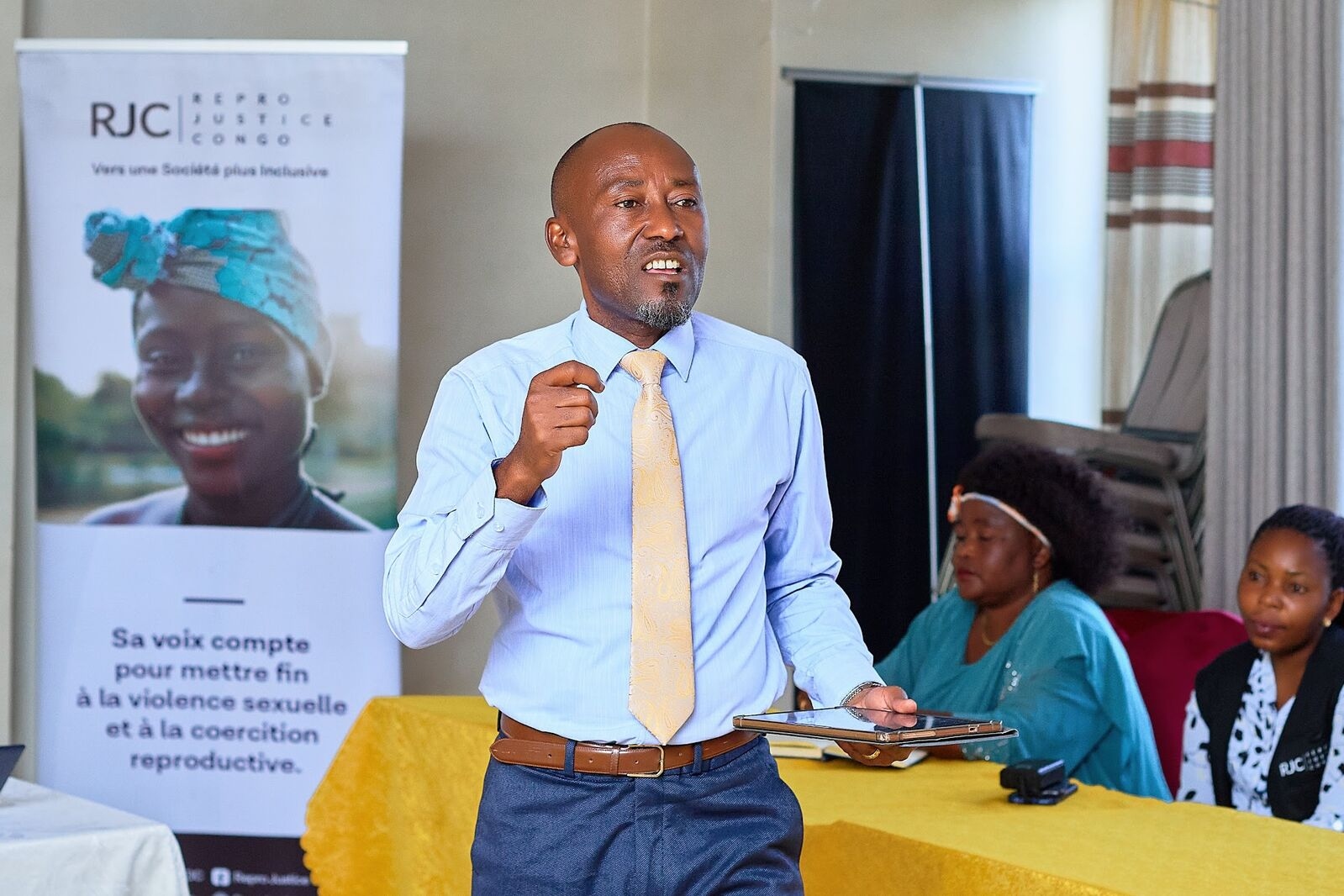
On the second of October, in a meeting room at the Bakanja Reception Centre in Goma, twenty sex workers sat at a table with two people decision makers: a representative of the National Reproductive Health Programme (PNSR) and a representative of the National Multisectoral AIDS Programme (PNMLS). This one began with three rules, set out before anything else was said: confidentiality, respect and no judgement.
The women had been here before, in a way. Weeks earlier, Repro Justice Congo had gathered them in a first discussion to document what life looked like in the middle of the Ebola outbreak. They came from two communities, PILIPILI and PAPIRS, and what they described was a crisis hiding inside another one. For months Ebola had absorbed the attention and resources of the health sector, and sexual and reproductive health services for key populations had slipped to the margins, after funding cuts from the United States had already left them struggling.
A crisis inside a crisis
The women said their lives had always been hard, and the epidemic had only sharpened that. Fear of being judged, and of being turned away, kept many of them far from health facilities, and so did a lack of money. Some turned instead to remedies made with lemon water, or to clandestine abortions. Most did not know how Ebola spreads, what its symptoms are or how long it takes to appear. Handwashing was the only protection they knew.
When they needed support, they found it in each other and in a few local organisations, RJC among them, rather than in clinics they saw as out of reach. They asked for sexual and reproductive health services that would exist in times of crisis as in normal times, and be known to everyone. They asked for awareness-raising designed for them, and for less stigma in health facilities.
From findings to a seat at the table
Those were broad recommendations, and broad recommendations rarely move programmes. So RJC went back to the women and brought the two national programmes to the table.
The morning began with the findings of the first session, presented in plain language so that each woman could say whether she recognised herself in them. Then the room divided into small groups. Each group chose three proposals and a spokesperson, a simple design that let every woman have her say without having to speak in front of the whole room, which can be intimidating. When the groups came back together, the spokespeople presented their proposals to the PNSR and PNMLS representatives, who responded, and then the discussion opened to everyone.
What the women asked for
What they asked for was practical and close to daily life. They wanted to be included in the messages about Ebola and sexually transmitted infections, because the prevention campaigns reached them rarely, or in forms that did not fit their reality. They asked for easier access to female condoms, a form of protection they can control but cannot easily find. They asked for lubricants, which reduce injuries and stop condoms from breaking. They asked for easier access to testing, so they could know their status and be treated in time, and for access to PrEP, the preventive treatment that lowers the risk of HIV infection.
A first commitment
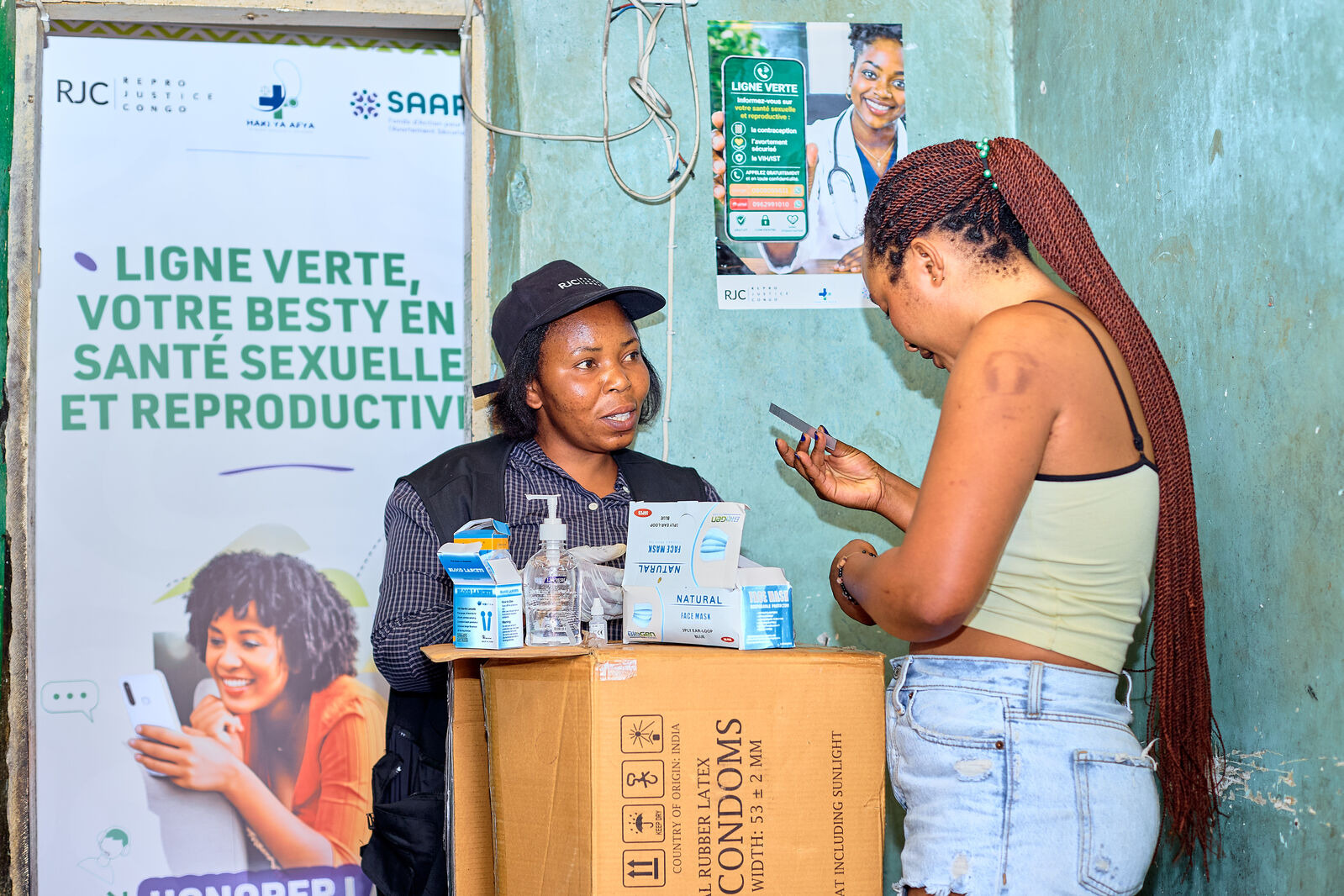
The representatives said they had heard. More importantly, the meeting produced a first commitment: the PNSR promised to supply female condoms to RJC, which will distribute them to sex workers itself. The arrangement matters. It places the supplies in the hands of an organisation the women already trust, and it sidesteps the fear of judgement that keeps them away from health facilities.
The two programmes also answered the women’s questions on the spot. They explained how sexually transmitted infections are passed on, how to use a female condom correctly, and how to prevent sores and irritation. In a few minutes, these exchanges closed gaps that the epidemic had made more visible.
Why the format matters
The format was itself part of the result. Women whom health systems often see as “cases” were treated as interlocutors. They set out their own priorities, chose their own spokespeople and got answers from the people who design and run the programmes. For the PNSR and PNMLS, it was a chance to hear needs directly, with no intermediary, and to measure the distance between the services planned on paper and the services women can actually reach.
The commitment on female condoms is a start. The other requests, for lubricants, testing, PrEP and inclusive communication, are still waiting for an answer.
Share