News
Addressing Myths and Barriers to Safe Abortion in the DRC
RJ
By Repro Justice Congo
1 Oct 2024•4 min read
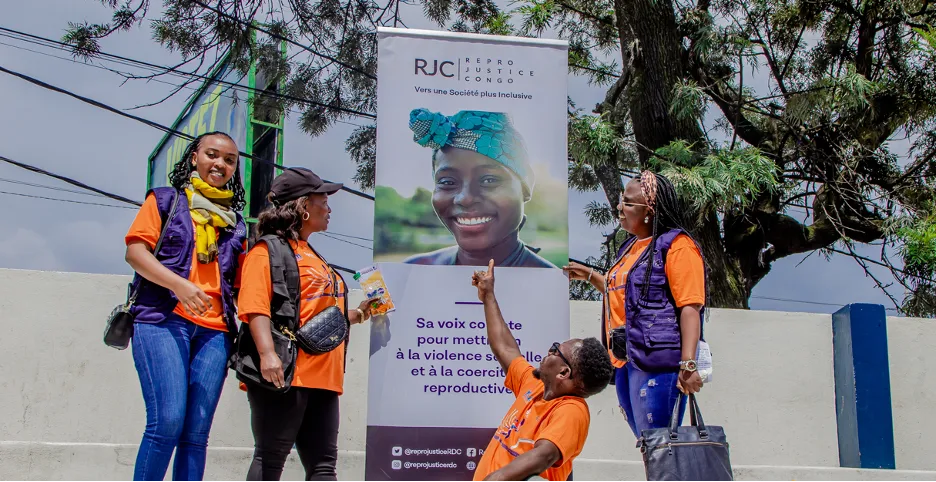
On October 1, 2024, Repro Justice Congo organized a dialogue forum in Goma to mark International Safe Abortion Day, which is celebrated on September 28. This event brought together 20 adolescent girls and young women who were eager to learn more about reproductive rights and access to safe abortion in the Democratic Republic of Congo (DRC). The goal of the meeting was to dispel the numerous myths surrounding abortion and to create an open and honest space for dialogue on this critical public health issue.
Participants shared various deeply ingrained beliefs, such as the idea that abortion inevitably leads to death, severe infections, or that it is morally wrong. Dr. Madeleine, who facilitated the discussion, carefully debunked these misconceptions by explaining that serious complications associated with abortion mostly occur when it is performed clandestinely and unsafely. She also emphasized the importance of the Maputo Protocol, a legal framework adopted by many African countries, including the DRC, which promotes reproductive rights and access to safe abortion services.
Currently, abortion laws in the DRC are governed by the Penal Code and the Maputo Protocol, ratified by the country in 2018. According to these legal texts, abortion is only allowed under specific circumstances: when the mother’s life is in danger, in cases of rape, incest, or severe fetal malformation. However, the enforcement of these legal provisions remains limited, and in practice, very few women can access safe abortion due to stigma, administrative barriers, and a lack of information.
The gestational age at which safe abortion is permitted in the DRC varies, but generally, pregnancy termination is allowed up to 12 weeks, especially in cases of rape or incest. However, this limit may be extended beyond 12 weeks if the mother’s life is at risk or in cases of severe fetal malformation. Unfortunately, these provisions are often misunderstood and poorly applied, contributing to the frequent recourse to unsafe abortions, which are often carried out in precarious and dangerous conditions.
The discussions at the forum highlighted the disconnect between the rights enshrined in legal texts and the reality experienced by women in the DRC. Patricia, one of the participants, shared: "This discussion opened my eyes to women’s reproductive rights. It is crucial that we have access to information and safe health services to make informed decisions. However, I’m concerned about the very strict criteria the law imposes to access safe abortion." This sentiment was echoed by several other young women, underlining the need to continue advocacy for access to safe abortion services.
Another major topic that emerged during the meeting was the issue of self-managed abortion. Some participants raised the idea that this practice could be an alternative to bypass the stigma and obstacles encountered with healthcare providers. Self-managed abortion, which involves using medication to terminate a pregnancy outside of a medical setting, could potentially offer a solution for women who lack access to safe health services. However, as participants noted, this practice requires proper legal and medical regulation to prevent health complications.
Recent data shows that approximately 43% of pregnancies in the DRC are unintended, and many of these result in unsafe abortions. Maternal mortality rates linked to clandestine abortion remain high in the DRC, largely due to the lack of access to adequate post-abortion care. Limited access to reproductive health services, along with social and religious stigma and strict legal constraints, continues to pose major challenges for women seeking safe abortion.
The dialogue forum revealed an urgent need for increased advocacy to revise existing laws and improve the implementation of current provisions, such as those outlined in the Maputo Protocol. It is crucial that women in the DRC have equitable, non-judgmental access to reproductive health services, including safe abortion.
Share