News
Breaking Taboos, Bridging Gaps: A Powerful Perspective on the Celebration of Menstrual Hygiene Day
RJ
By Repro Justice Congo
6 Feb 2022•2 min read
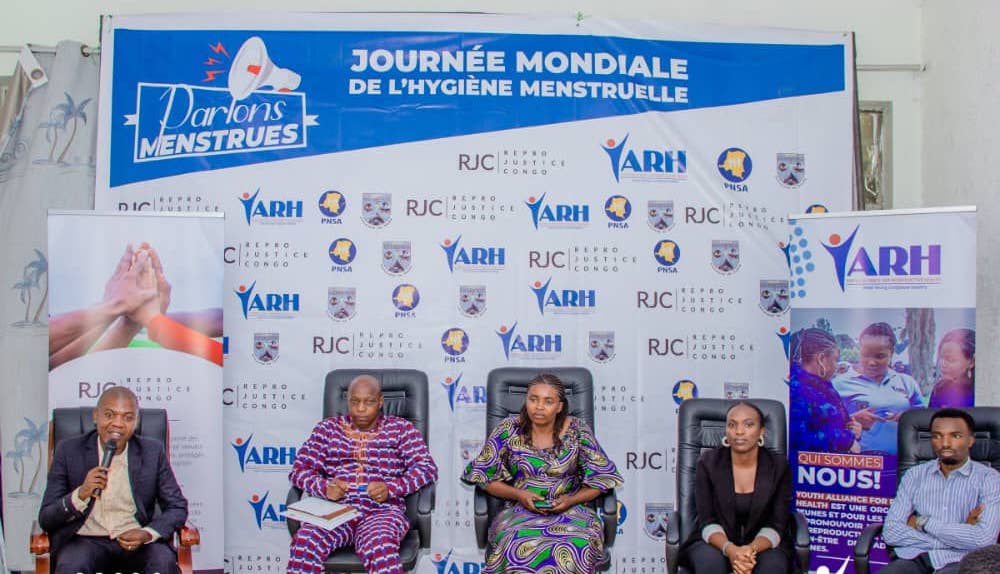
In a dynamic collaboration with Youth Alliance for Reproductive Health (YARH) and the School of Public Health at the University of Goma (UNIGOM), Repro Justice Congo added its voice to the global celebration of International Menstrual Hygiene Day. This commemoration wasn't just a symbolic nod but a proactive step towards sparking transformative change. A pivotal conference, teeming with energy and ideas, was organized to delve into the pressing issues surrounding menstrual hygiene in DRC.
Central to the discussions was the glaring challenge of the availability and affordability of menstrual hygiene commodities, a hurdle disproportionately affecting economically disadvantaged women and girls. The stark reality emerged: a significant number were resorting to unhygienic alternatives like tissues, risking infections due to limited cleanliness.
Unveiling another layer of the issue, a prevalent misconception surfaced - the idea that menstrual cups were reserved exclusively for married women. This belief, rooted in the notion that virgin women should not use menstrual cups, created a formidable barrier fueled by social norms.
Armed with insights and a commitment to dispelling myths, Repro Justice Congo took a bold step. Post-clarification of these social norms and empowerment initiatives, an advocacy note took shape, gaining approval and signatures before being submitted to the National Adolescent Program (PNSA) for swift action. A key recommendation within this advocacy note was a call for free distribution of menstrual pads in schools, coupled with efforts to reduce the cost of pads overall.
This initiative isn't just a conference; it's a catalyst for change. Repro Justice Congo stands at the forefront, breaking taboos, bridging gaps, and advocating for a future where menstrual hygiene is a right, not a privilege. The echoes of this impactful stance resonated far beyond the conference room, contributing to a more equitable and informed society.
Share